Mar302025
Past concert · 2025
Milking The Moon
7th GORANA International Dance Festival
- Performed Sunday, March 30, 2025
- 3:00 PM – 5:00 PM
- The Riverside Theatre91 Claremont Avenue, New York, NY, 10027
Past concert · 2025
7th GORANA International Dance Festival
Milking The Moon: Becoming The Renewal was a live performance of Bulgarian folk dances & songs as part of the 7th GORANA International Dance festival.
Ancient Bulgarian culture paved the way for the festivals and traditions that are still alive in Bulgaria today. Life, health, love and joy are represented by water, wheat, greenery, flowers and more in ritual dancing. In the spring, seeds are planted in the ground to sustain the renewal of life. Rich in beauty, cheerfulness, mysteries and fiery dances with beautiful costumes, Bulgarian folklore must be seen, heard and experienced!
There are many Bulgarian holidays and traditions dedicated to the spring and summer. A few of them are:
Lazarovden is celebrated on the Saturday before Easter. It is the “coming of age” celebration for young girls known as “lazarki”. The maidens are dressed in colorful costumes with wreaths of flowers in their hair, and sing and dance with handkerchieves as they go from home to home to cleanse the spaces.
Tsvetnitsa is “The Flower’s Day”. On the Sunday one week before Easter, Bulgarians bring home twigs from willow trees and use them to decorate gates, doors and windows as a sign of faith.
Velikden is Easter, the main holiday for all Orthodox Christians. It is connected to the first full moon after the spring solstice day.
Saint George’s Day is on May 6th. On this day, unmarried young women are invited onto decorated swings, as it is believed that the swinging will help them get married. Along with that, everyone with the name Georgi or Gergana celebrates their name day.
Nestinarstvo is an ancient ritual where fire dancers known as “nestinari” walk and dance on live embers. It originates from Thracian sun worship asking the Sun God for health, prosperity and fertility in the new year.
This dance narrative depicts two people who love each other and commit to their relationship before witnesses. This dance is from the repertoire of the National Ensemble of Bulgaria "Pirin".
This dance represents the day when unmarried girls show up with flowers to be given to their prospective man of interest.
A dance from the Thracian region performed by father and son (Chavdar and Evgeni).
This dance is from the repertoire of the National Ensemble of Bulgaria "Filip Koutev". It shows the moments of the "lazaruvane" ritual, which is a pagan ceremony for nature's rebirth and regeneration in the spring.
This dance interpretation is based on the "Shira" circle dance from the Danube river region.
A piece performed on the tupan (drum).
This dance captures the ancient ritual of "nestinarstvo", where fire dancers known as "nestinari" walk and dance on live embers. It originates from Thracian sun worship asking the Sun God for health, prosperity and fertility in the new year.
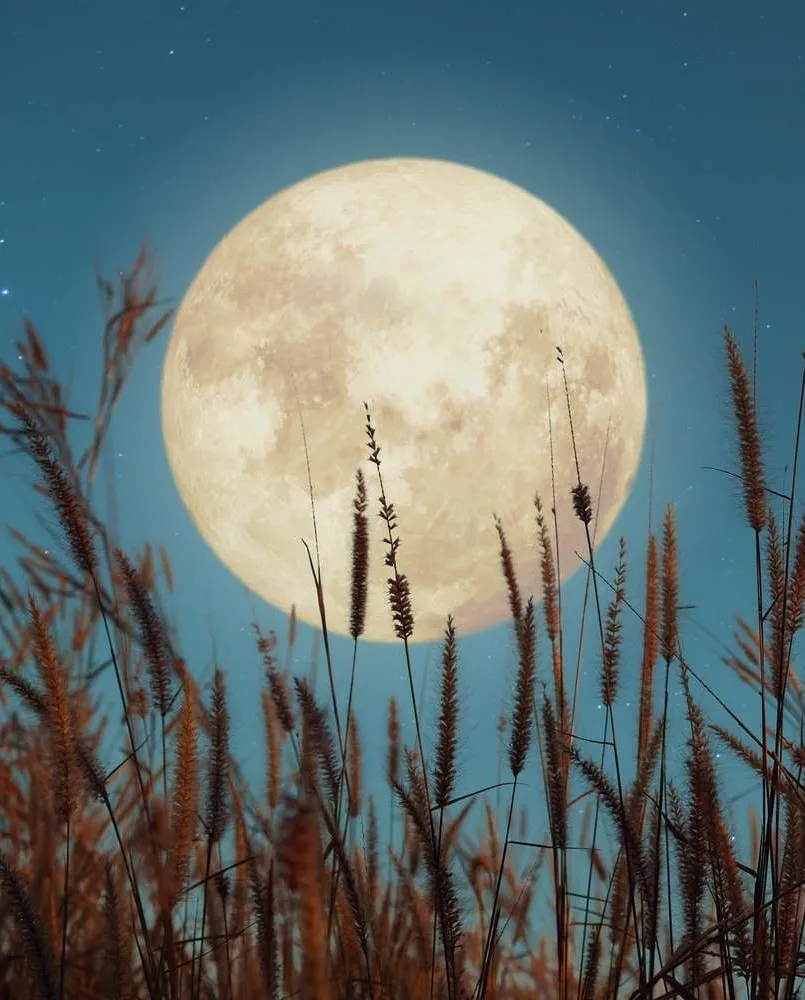
This dance depicts a pagan ritual of the same name. In Bulgaria, women who were believed to have special powers were asked to bring the fullness of the moon down onto the crop field for a rich harvest. Historically, moon rituals were aligned with planting and harvesting cycles to ensure that crops were sown and reaped at optimal times. The moon is viewed as a rhythmic life of the cosmos and is believed to govern all vital change.
This dance is from Sadovo in the Thracian region. "Krivo" means "crooked" and refers to the uneven meter of the dance. Gorana Dance's version is expanded with intricate steps.
This is a social dance from the Pazardzhik province in central Bulgaria. It is in 15/16 meter. Gorana Dance's composition represents a ritual that names the queen of roses.
This dance is from the Dobrudga region and embodies the work done in the field, such as growing, ripening and sowing of the wheat harvest.
A piece performed on the tupan (drum).
This dance belongs to the category of modern, choreographed folk dances, which is popular among the Bulgarian diaspora.
This dance showcases movements and accents that are directed upwards, with a pronounced desire to detach from the ground.
This dance depicts a Bulgarian custom at midsummer, called Enyov's Day, when girls go out in the fields to gather herbs. The popular belief is that herbs have the greatest healing power in midsummer. The girls collect flowers, twist them into wreaths, and carry them home.
This dance invokes youthfulness, fun emotions, and a touch of humor.
This is a duet dance to a well-known folk song.
This dance is one variation of the several that are done as a St. Lazarus Day tradition.
With its uneven beat, this dance is one of the most beloved dances among Bulgarians.
Bulgaria is famous for the many uneven beats in its folk dances. Yovino is one of them and has two uneven beats that define the dance phrasing: 7/16 and 11/16. You can recognize two strong beats on the 1 count and 6 count among the 8 counts in total (1+2+3+4+5+6+7+8).
This dance is one of the most famous folk dances in Bulgaria. It has a tempo that almost encourages a dance-off between its dancers. It involves a waving of the hands (ruce) which is what gives the dance its name.
This dance is part of a ritual on Lazarus Day. Lazarus is a symbol of health and longevity. Lazarus Day is celebrated on the eighth day before Orthodox Easter (Velikden) and is always on a Saturday. On this day, the "lazaruvane" custom is performed by young girls called "lazarki". They go from house to house where they dance, perform rituals, cleanse with their handkerchieves, and offer blessings for health, happiness and prosperity. In the past, it was believed that girls who did not partake in the custom would not get married. It was therefore necessary for every girl in a village to partake in the custom at least once in her maidenhood.