May222022
Past concert · 2022
Orenda
15th Anniversary of GORANA DANCE
- Performed Sunday, May 22, 2022
- 5:00 PM – 7:00 PM
- Manhattan Movement and Arts Center248 W 60th St, New York, NY 10023
Past concert · 2022
15th Anniversary of GORANA DANCE
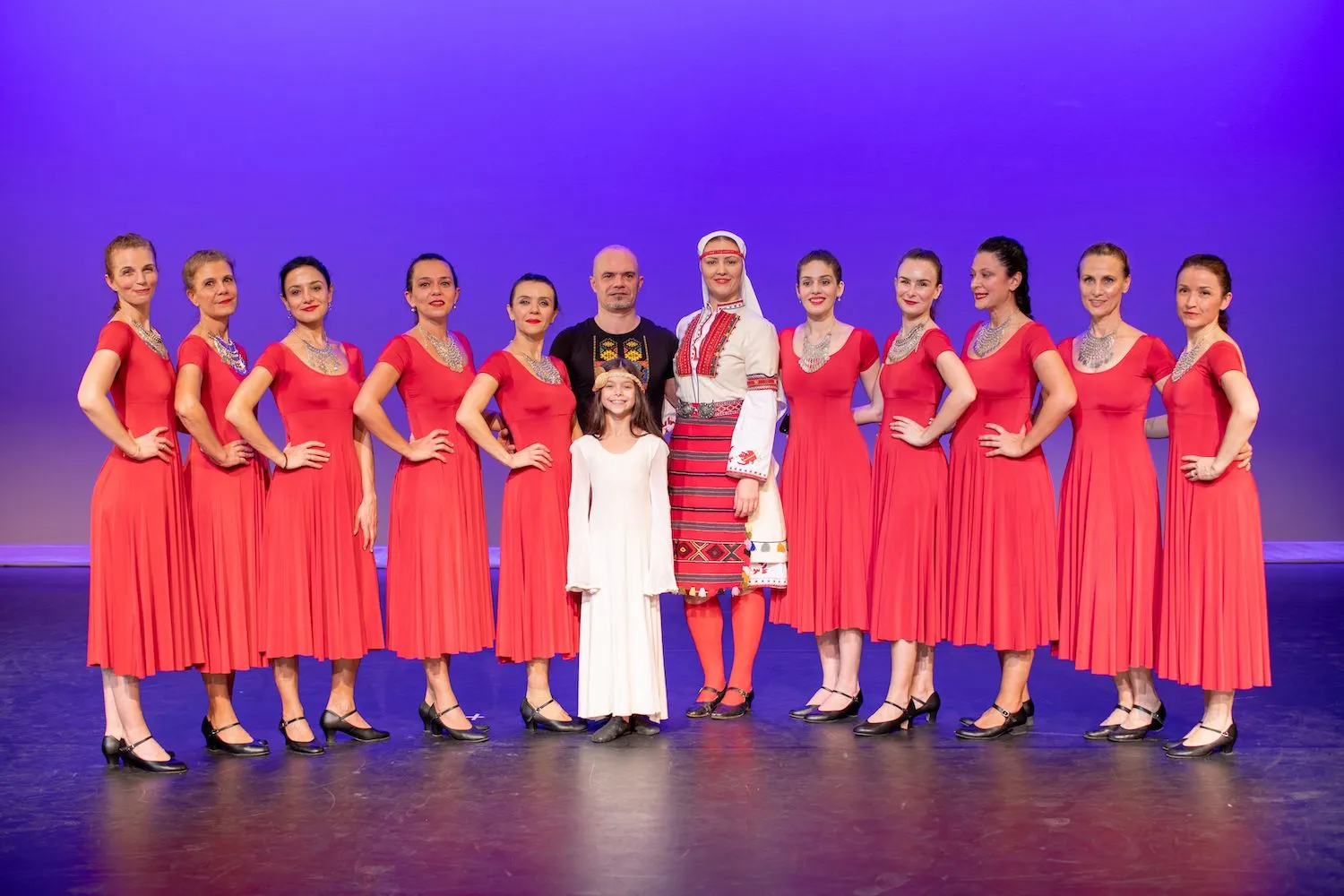
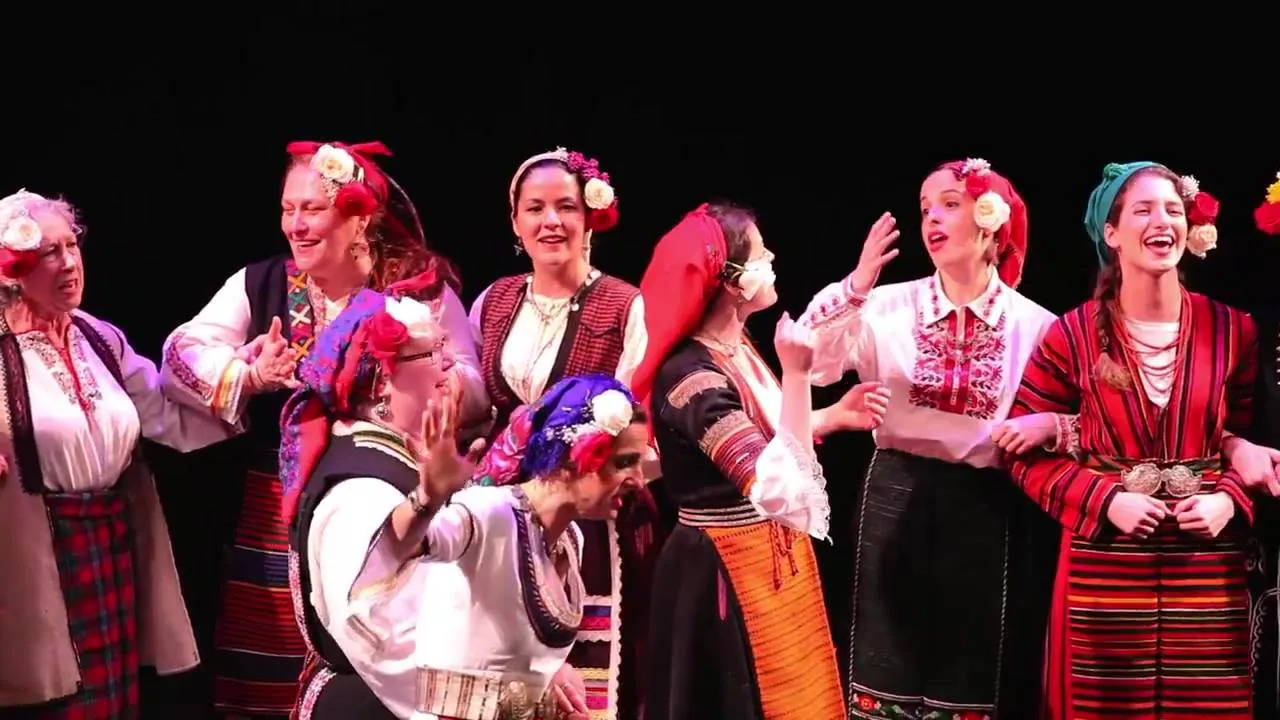
Orenda: The Collective Power was a concert showcasing the beauty of traditional Bulgarian heritage, vibrant folk dances and popular folk songs. This concert was a celebration of the 15th Anniversary of GORANA DANCE, and featured 30 dancers and 8 singers / musicians.
Orenda is the Iroquois name for a certain spiritual energy inherent to people and their environment. It exists in other cultures by different names, like Prana, Mana or Chi. It can be felt and experienced in cultural traditions that connect us to our ancestral roots, and is an extraordinary, invisible power believed to be transmissible between people by music, songs and dance.
Vlada is the founder of New York's first Bulgarian Women's Choir, Yasna Voices. Together, they have presented full length a cappella concerts, showcasing village songs and arrangements in the style of Le Mystère des Voix Bulgares (The Mystery of the Bulgarian Voices), a compilation of folk songs by the Bulgarian State Television Female Vocal Choir.
Vlada's voice is featured on National Geographic's touring exhibit King Tut, and was heard in the sound installation "Echoes from the Mountains" at the 2006 Winter Olympics in Italy.
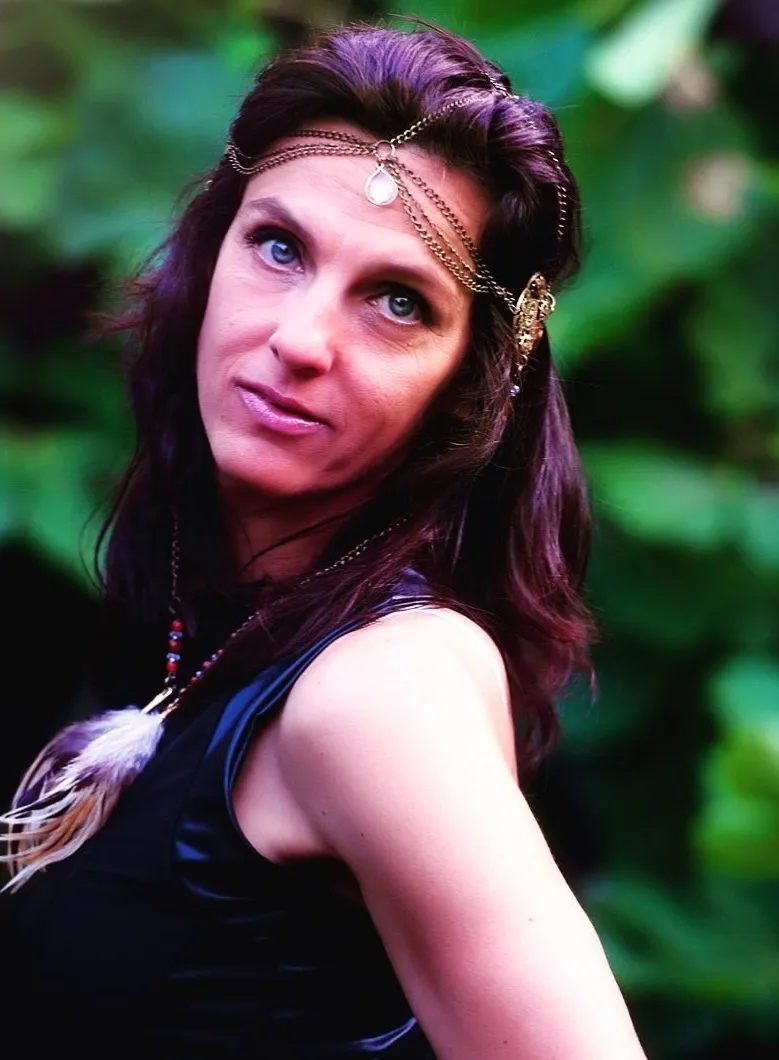
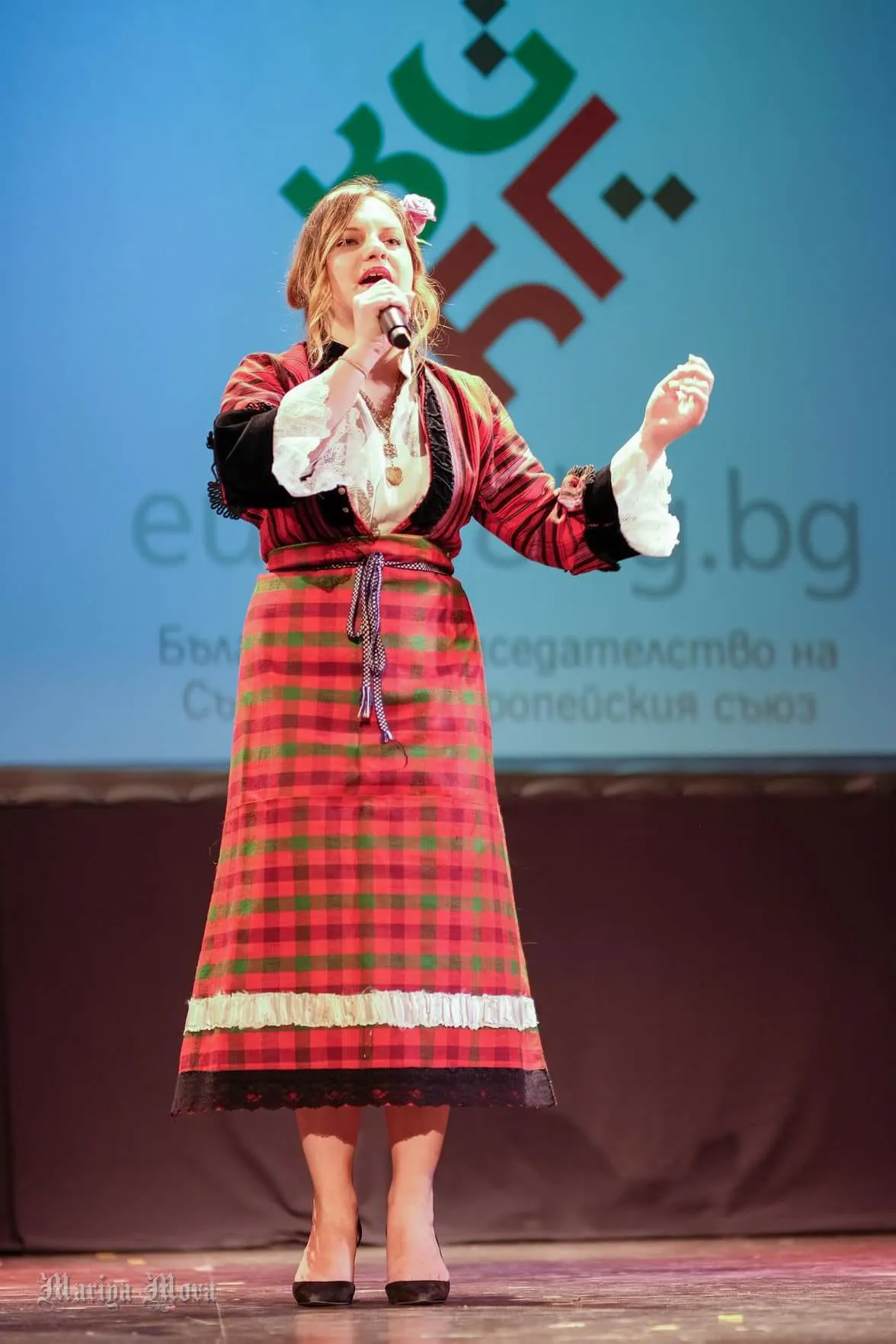
Petya was born and raised in Plovdiv and started taking Bulgarian folklore lessons at the age of 6 with the talented folklore singer Elena Dobreva as her teacher.
At age 14, Petya became the youngest ever member of the Academic Folk Choir at the Academy of Music, Dance and Fine Arts in Plovdiv, managed by chief choir master Dr. Kostadin Buradhiev. In 2002, she toured Europe as a soloist of folklore ensemble "Geo Milev".
With nearly 20 years of professional vocal experience, she has performed songs from all of Bulgaria's folklore regions. She is especially well-known within the community for her cosmic live performance of the Rhodope mountain song Излел е Дельо хайдутин (Delyo has become a hayduk) at the Verea festival in Chicago in 2015.
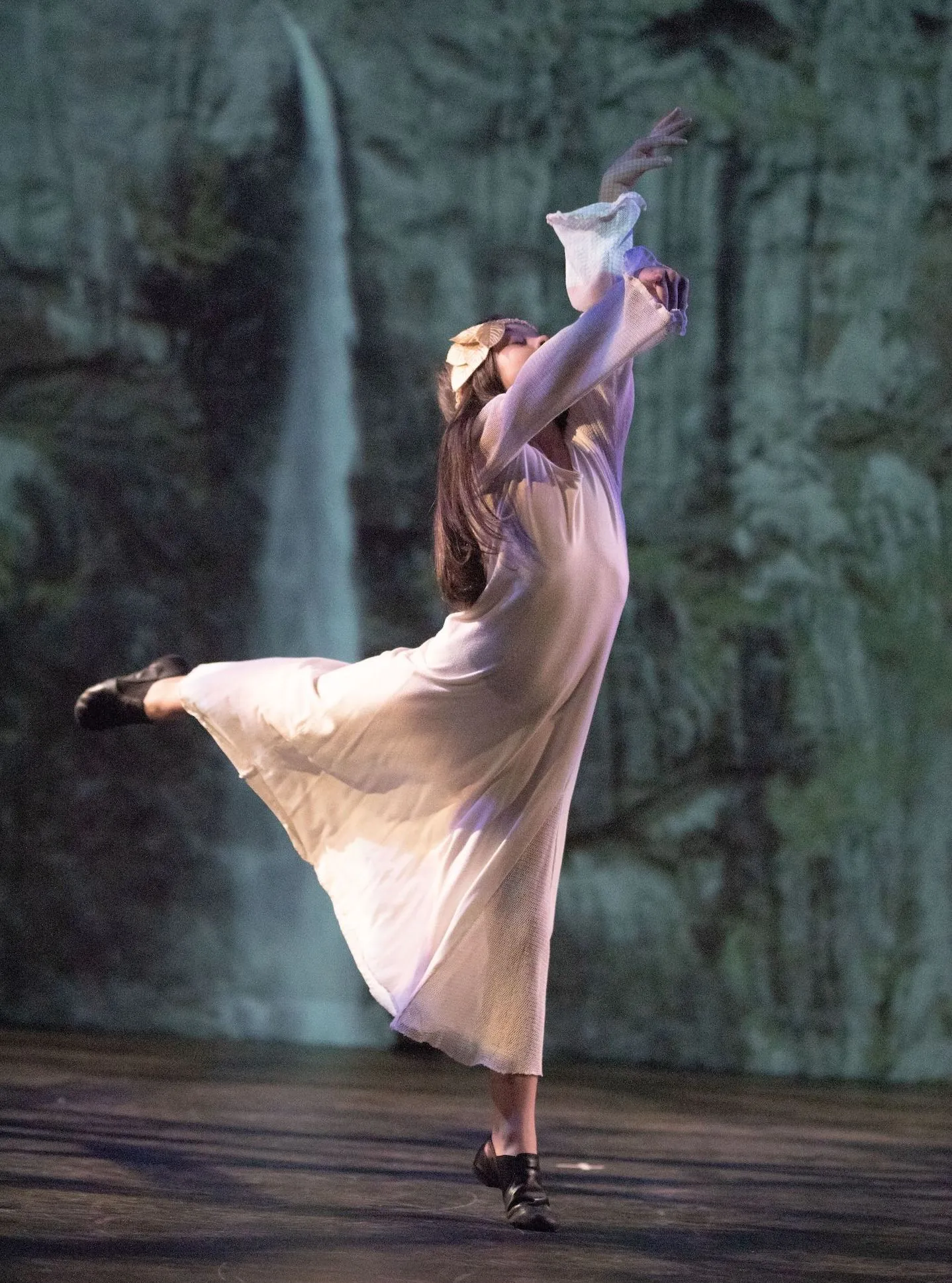
A samodiva is a woodland fairy or nymph, with spiritual energy drawn from nature.
A dance of commitment from the Pirin region in southwest Bulgaria.
A female ritual dance from the Pirin region in southwest Bulgaria.
Ginka is a female name. This dance is common in Bulgaria and originates from the Pirin region.
A common dance from the Pirin region in southwest Bulgaria.
Бачо Никола (Brother Nikola)
Кузум Еленке (Beautiful Elenke)
Брала мома (A girl picking flowers)
A female dance connected with spring rituals and traditionally danced on Еньовден (Enyov Day / St. John's Eve). The wreaths are made from flowers and herbs believed to have a healing power.
Сворнати хора (Svornati hora)
A dance from western Bulgaria.
Тръгнала е малка мома (A little girl left)
Снощи си дойде (Last night he came back)
A dance from Bulgaria's Danube (northern) region, referencing the Danube river that runs along the border with Romania.
A dance from Bulgaria's northern region ("severniashka" translates to "northern").
Мъри Маро (Muri Maro)
А бре юначе (Oh young man)
Руфинка болна легнала (Rufinka went to bed sick)
Айде Калино да идем (Come on Kalino, let's go)
A ritual Easter dance originating from Kozichino, a village in eastern Bulgaria close to the Black Sea. The village is also known as Erkech, a portmanteau from the Turkish "erken geç" (go faster) dating back to the Ottoman Empire.
This song is from the Philip Kutev National Folklore Ensemble and belongs to The Golden Collection of Bulgarian Folk Heritage.
Соньо, мой соньо (Sonyo, my sonyo)
A dance from Varna, a city on the Black Sea.
Шинко ле (Shinko le)
A dance from Sadovo, a village in midsouthern Bulgaria close to Plovdiv. "Krivo" translates to "crooked".
A dance from the Rodopi mountains in midsouthern Bulgaria.
A dance from western Bulgaria.
Ръченица (Ruchenitsa)
Черешко чорна вишничко (Cherry, black cherry)
A female dance from Bulgaria's Strandzha (southeast) region. Buenek references the costumes worn for spring rituals.
A dance from the Pirin region in southwest Bulgaria.
A dance from the Shopski region in western Bulgaria.
A dance from the Shopski region in western Bulgaria.
Бре Петрунко (Oh Petrunko)
Яна иде (Yana is coming)
Ерген Деда (Bachelor grandpa)
A dance performed as an Easter ritual ("Velikden" translates to Easter).
A dance from the Shopski region in western Bulgaria, close to the capital of Sofia.
Special thank you to the Hristo Botev Bulgarian school for allowing us to use some of their costumes.